
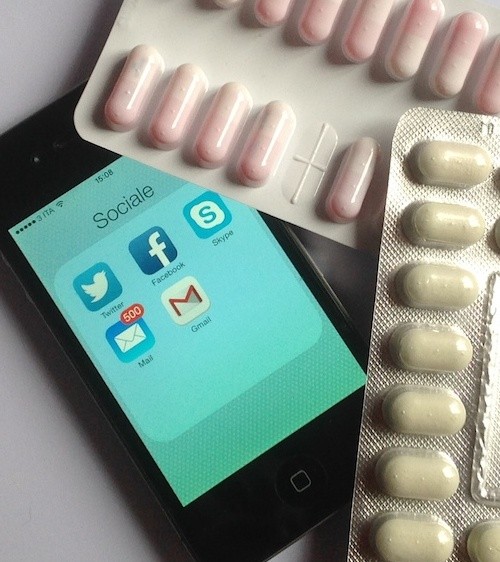
The Web 2.0 phenomenon and social media also have a direct impact on reports of adverse events potentially associated with medicinal products. Today, patients freely discuss and exchange experiences through chats, websites, and social networks, and it is possible that, among these conversations, someone may mention or tweet about a side effect experienced after taking a medicine.
How should the Marketing Authorization Holder (MAH) of that medicinal product respond? Should a pharmacovigilance report be submitted? Who is responsible for managing it, and how?
In the absence of specific legislation on the topic, a guideline developed by the Association of the British Pharmaceutical Industry (ABPI) provides useful guidance.
European legislation on adverse events reported through social media
According to the new European pharmacovigilance legislation, Marketing Authorization Holders are required to monitor all digital communication channels for which they are responsible, including websites, blogs, vlogs, social networks, internet forums, chats, and health portals, in order to identify potential adverse events related to their products, whether branded or generic.
In the event of an adverse reaction, the MAH is required to collect all available information concerning the medicinal product regardless of:
– the seriousness of the adverse event;
– whether the individual who posted the adverse event can be identified;
– whether the adverse event is already known (e.g., already included in the SmPC);
– the existence of a causal relationship between the adverse event and the medicinal product;
– whether the individual has already reported, or claims to have reported, the event to the competent authorities.
The frequency of monitoring is not specifically defined; however, it must be sufficient to allow the company to submit adverse event reports within the timelines established by pharmacovigilance regulations.
Who must report the event?
Any company employee or representative who becomes aware of an adverse reaction must notify the company’s pharmacovigilance responsible person within one day of becoming aware of the information. In all cases, according to the ABPI guideline, it is advisable to retain evidence of the source (for example, a screenshot of the website, portal, or social media post).
What should be done when adverse reactions are reported on non-company websites, portals, and social media?
The Marketing Authorization Holder is not required to actively monitor non-company websites, portals, or social media channels. However, if the company becomes aware of an adverse reaction during any consultation, even accidentally, it is responsible for informing the pharmacovigilance department and implementing appropriate measures to continue monitoring while protecting the privacy of the individual who reported the event.
Unsolicited suspected adverse reactions published on the internet or through digital media should be managed as spontaneous reports.