
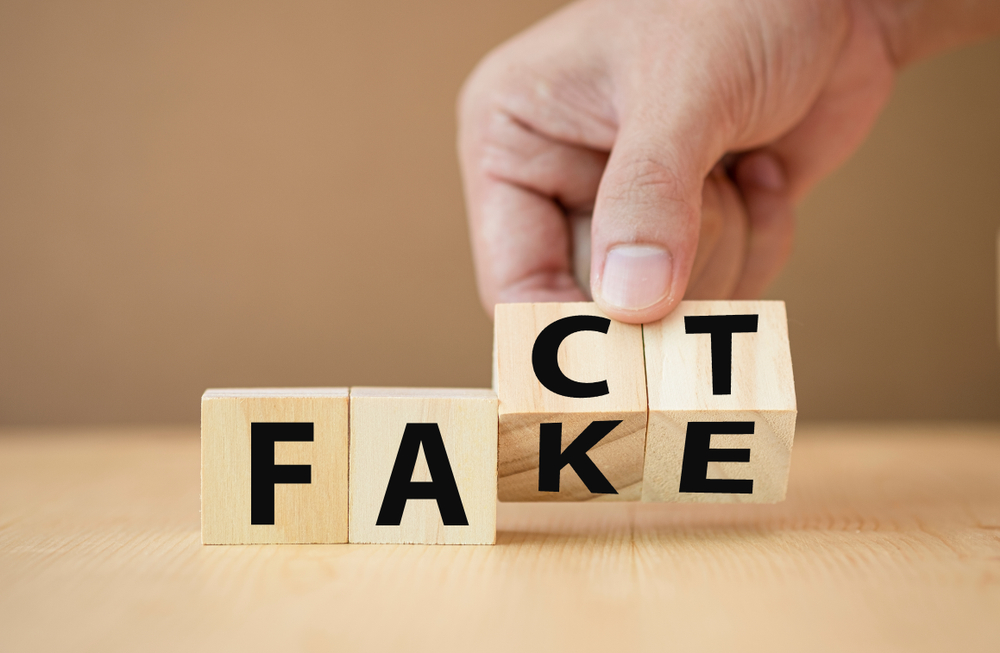
Since the beginning of the COVID-19 pandemic, hundreds of scientific papers related to the virus have been published on preprint servers such as bioRxiv and medRxiv, open-access platforms where anyone can read and comment on preliminary versions of scientific articles.
Speed vs quality
On the one hand, these services have helped accelerate the dissemination of scientific information during a time of urgent need. On the other hand, many scientists have raised concerns about the quality of the published studies and about the role of these platforms in spreading incomplete, often inaccurate, and sometimes clearly false information.
Some articles initially released as preprints and later published in peer-reviewed journals have provided scientists and authorities with valuable information in the fight against COVID-19, such as evidence regarding the persistence of the virus on different surfaces or the role of asymptomatic individuals in spreading infection. Other studies have met a very different fate: some were withdrawn only a few hours after publication, while others sparked major controversies even after formal publication. In addition to clearly misleading articles used to spread fake news, many papers were found to be poorly conducted, still at a preliminary stage, or extremely brief and based on limited findings.
For many researchers, the lowering of ethical and scientific standards observed in some preprints is unacceptable. According to these scientists, quality standards and the importance of peer review are essential components of scientific literature and should be respected and maintained even—and especially—during times of crisis.
Preprints: a service not suitable for everyone?
During this public health emergency, preprint servers have attracted the attention not only of scientists but also of the media and the general public, all eager to obtain the latest information on the pandemic. Unlike researchers and subject-matter experts, who understand the preliminary and limited nature of preprint studies, the general public often interprets this information as definitive evidence, contributing to its widespread dissemination.
While acknowledging that the rapid sharing of scientific information is now an irreversible trend, many scientists continue to emphasize not only the importance of peer review as a mechanism for quality control, but also the responsibility of journalists and individuals to cite sources correctly, clearly indicating when information comes from a preliminary study that has not yet undergone peer review.
Navigating an overwhelming amount of data
In addition to concerns about potentially inaccurate information, the speed and accessibility of preprint services have led to the accumulation of an enormous volume of scientific papers, adding to the 50–100 peer-reviewed publications appearing daily during the pandemic.
Several initiatives have been launched to help researchers navigate this vast amount of information. The American Society for Microbiology, together with a group of experts, is developing a COVID-19 Research Registry, while EMBO (European Molecular Biology Organization) has created a platform called SourceData, which aims to connect publications containing related datasets and facilitate the search for specific scientific information.
These initiatives are essential for maximizing the value of the enormous research and publication efforts made so far, overcoming some of the well-known limitations of preprint publications, and supporting the advancement of high-quality COVID-19 research.
SOURCE